Ecosystem & Wildlife Rescue
Australia's unique wildlife and natural environments are facing unprecedented challenges from bushfires, floods, and urban expansion. Learn how your dollar assists vital conservation programs.
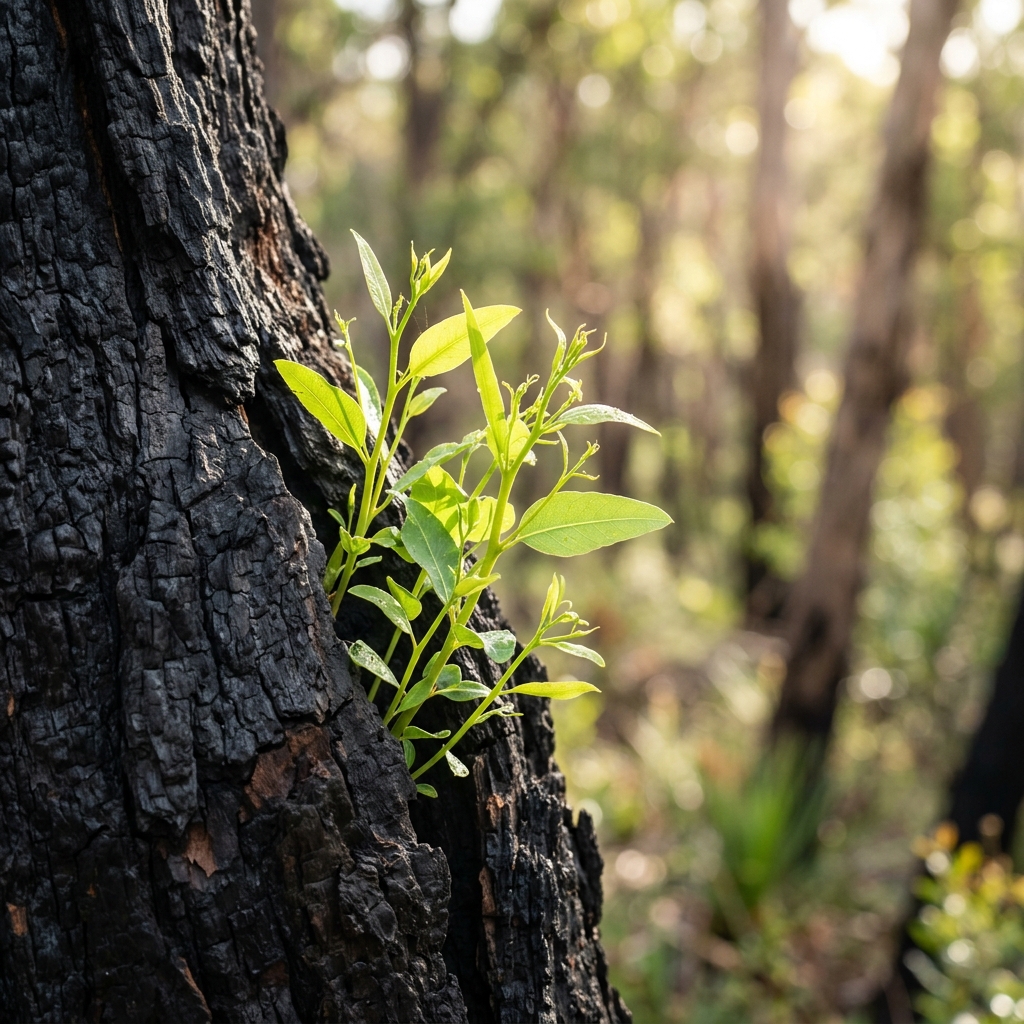
The Impact of Disasters on Wildlife & Habitats
The devastating 2019-20 Black Summer bushfires burnt over 18 million hectares of land and killed or displaced nearly 3 billion native animals. Iconic species like koalas, glossy black cockatoos, and greater gliders lost large swathes of critical habitat, pushing them closer to extinction.
In the wake of these fires and subsequent sub-tropical flash floods, ecosystems are highly fragile. Local community Landcare groups and volunteer wildlife shelters perform the heavy lifting of flora and fauna recovery, but they operate with extremely thin budgets.
Explore Nature Recovery Operations
Vetted Wildlife & Conservation Partners
We target funding to local volunteer-led wildlife rescue chapters and community planting associations:
- ✓ WIRES (Wildlife Information, Rescue and Education Service): Australia's largest wildlife rescue organization, operating 28 branches.
- ✓ Landcare Australia: Supporting local community land management, dunecare, and corridor replanting projects.
- ✓ Regional Wildlife Caretakers: Small home-based animal shelters providing medicine and milk formula to orphaned joeys.
Cause FAQ
Our partner charities collaborate with local environmental departments and Landcare groups. We prioritize planting sites that form natural borders between farmland and national parks, creating "wildlife corridors" that allow animals to travel safely between habitats without crossing roads or fences.
Rescued animals are assessed by trained wildlife veterinarians. If injured, they are treated in clinics; if orphaned, they go to home-based carers who raise them. Once they are mature and healthy enough, they are slowly rehabilitated and released back into the exact wild location from which they were rescued.